When winter in Springfield, IL gives way to thaw, homeowners may think the danger has passed—but freeze–thaw cycles can leave your piping vulnerable to damage. At F.J. Murphy & Son, Inc., we know that detecting issues early in your pipes can prevent costly leaks, structural damage, and headaches. In this post, we’ll walk you through why freeze–thaw cycles can be so hard on pipes, what piping checks you should do, and how professional piping care makes a big difference.
Understanding Freeze–Thaw Cycles and How They Harm Piping
Winter in our region doesn’t just mean cold. It refers to repeated cycles of freezing and thawing, particularly during transitional periods such as early spring or late winter. Here’s how those cycles affect your pipes:
- Water freezes inside pipes, expanding as it turns to ice.
- When temperatures rise and ice melts, the contraction stresses the pipe walls.
- If this happens repeatedly, microcracks can form, joints can weaken, and metal fatigue can develop.
- Even small cracks or loose joints can lead to leaks, water damage, reduced water pressure, or system failure.
Pipes made of different materials (copper, PVC, CPVC, PEX, steel) respond differently, but all are subject to stress if not properly insulated, exposed, or maintained. That’s why regular piping checks after severe weather are essential.
Common Signs of Damage After Freeze–Thaw Cycles
You don’t always need to wait for a major leak to notice something is wrong. Homeowners should watch carefully for these warning signs in their plumbing:
- Small leaks or drips: Even tiny drips at joints or seams, especially after a warm-up.
- Discoloration on ceilings, walls, or under sinks — moisture migrating from a hidden crack.
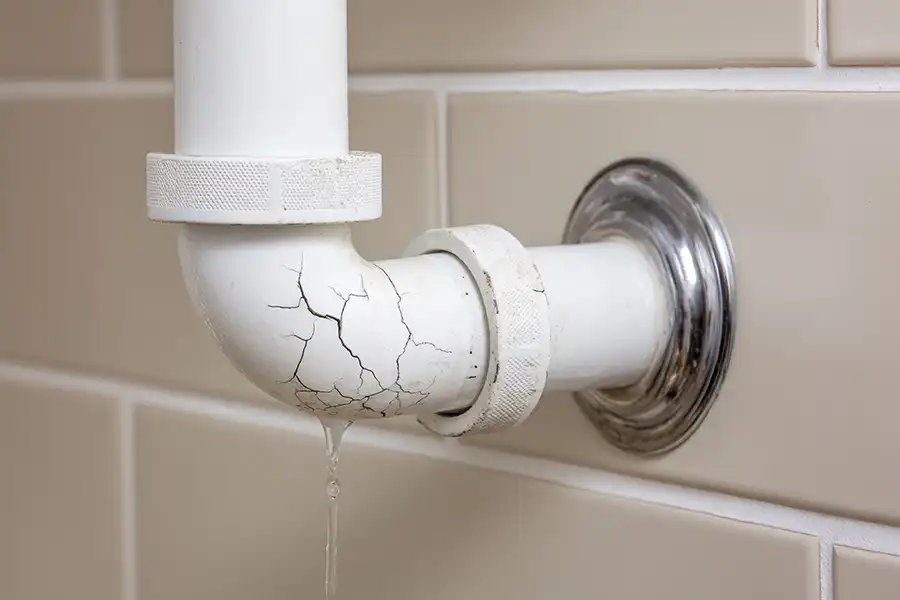
- Visible cracks or bulging in exposed piping, particularly in uninsulated spaces (attics, crawlspaces, basements).
- Little drops in water pressure could indicate a partial obstruction or a hidden leak.
- Unusual noises — creaks, pops, groans caused by rapid expansion/contraction.
If you notice any of the above, it’s time for a thorough inspection. Trying to ignore small issues can lead to major damage—such as water damage to walls, mold, and structural rot.
How to Perform Effective Piping Checks
You can do many of the preliminary checks yourself, especially if you know what to look for. But combining your own vigilance with professional care for your pipes yields the best protection.
DIY Inspection Steps
- Walk your home’s plumbing route: basement, crawlspaces, attic, exterior points. Look for exposed piping that lacks insulation.
- Examine pipe joints, fittings, and fixtures for small leaks or signs of discoloration.
- After a thaw, carefully feel for cold spots or dampness around pipes—these can indicate slow leaks.
- Monitor indoor humidity; unusually high humidity can signal unnoticed moisture.
- Keep an eye on the water meter: if nothing inside the home is using water but the meter is moving, a leak may be hidden.
When to Call the Professionals
- You discover cracked or bulging sections of pipe.
- There are leaks you cannot safely access or repair.
- The damage is near critical structures or electrical systems.
- You may want to consider preventive measures such as improved insulation, pipe replacement, or rerouting.
Contact F. J. Murphy & Son, Inc. today to schedule a comprehensive piping inspection. Our team can identify issues you might miss and correct them before winter returns.
Preventive Measures to Avoid Cracks and Leaks
Once you know the risks and signs, the key is prevention. A combination of smart design, maintenance, and occasional upgrades can protect your property for years.
- Insulation: Use high-quality pipe insulation in areas exposed to cold air or wind, including the use of insulating sleeves and heat tape where appropriate.
- Routing and Positioning: Whenever possible, keep pipes within heated portions of your home. Avoid running them through unheated garages or attic spaces.
- Flexible Piping Materials: Consider using PEX or other flexible piping materials in specific zones. These materials are more resistant to bursting under freezing stress than rigid metal or plastic.
- Drainage and Shut-offs: For rarely used outdoor spigots or seasonal lines, drain and shut off for the winter.
- Maintenance Schedule: Have periodic professional checks (especially early spring and before the next cold season) to inspect joints, valves, pressure, and pipe condition.
These steps, while sometimes involving upfront costs, almost always pay off by avoiding cracks and leaks that can cause far greater expense and disruption.
The Role of Professional Piping Care in Springfield IL
At F. J. Murphy & Son, Inc., we bring trained expertise and local knowledge that matters.
When it comes to maintaining your home’s plumbing, proactive care is key. Seasonal changes, aging infrastructure, and hidden wear can all impact the performance of your piping system. Our licensed professionals use advanced tools and decades of experience to identify small issues before they become costly emergencies — keeping your system safe, efficient, and reliable year-round.
Local Conditions, Local Expertise
Springfield, IL experiences harsh winter swings, including freeze—thaw cycles, snow, ice dams, and wind exposure. What works in milder climates often fails here. We understand where pipes are likely to suffer, which insulation types perform best, and which routing options are most effective for long-term durability.
Our Services Related to Piping Checks
Our team provides comprehensive piping solutions designed to identify problems early and maintain the integrity of your plumbing system. Whether it’s routine maintenance, seasonal inspections, or emergency repairs, we use advanced diagnostic tools and proven techniques to keep your pipes performing their best. Each service is tailored to the unique conditions of your home or business, ensuring reliable water flow and long-lasting protection.
- Full piping inspections after winter or major temperature events.
- Leak detection in hidden spaces using cameras, moisture sensors, and thermal imaging.
- Repair and replacement of cracked, bulging, or weakened pipes.
- Insulation installation, rerouting, or retrofitting as needed.
- Upgrading to better materials (e.g., switching from rigid plastic or corroded metal to more resilient alternatives).
These aren’t just fixes; they are investments in long-term performance and safety.
Real Risks, Real Costs: Why It’s Worth It
Ignoring damage after freeze–thaw cycles doesn’t just risk leaks; it also risks structural failure.
Homeowners may face:
- Water damage to walls, ceilings, and flooring.
- Mold growth with health risks.
- Structural issues (especially wooden beams or supports near leaking pipes).
- Higher repair costs occur the longer the damage is left unattended.
- Increased insurance premiums or claims problems.
By catching small problems early, you protect your home’s integrity, your family’s health, and your budget. It is worthwhile to contact our team for a free estimate before any work is done.
How to Best Time Your Piping Checks
To maximize effectiveness and minimal cost, schedule inspections smartly:
- Early spring, just after major thaws but before full summer heat—a time when cracks that formed over winter are most likely to be detectable.
- Fall, before temperatures drop, to check readiness and repair vulnerabilities.
- After extreme weather events: very cold spells, ice storms, and rapid thaws.
Summary Checklist: Piping Post-Freeze-Thaw Action Plan
Here’s a quick checklist to guide you through ensuring your pipes are safe:
| Step | Action |
| Inspect exposed pipes | Check for insulation gaps, visible damage, and cold spots. |
| Check joints & fittings | Look for leaks, rust, corrosion, and loose connections. |
| Monitor water pressure & usage | Sudden drops or unexplained meter movement signal leaks |
| Seal drafts & insulate | Reduce cold exposure, especially in attics, crawlspaces. |
| Hire a professional technician | Use a trained technician to identify hidden problems. |
Protect Your Home Today
Freeze–thaw cycles are more than just a seasonal annoyance—they pose a real risk to your piping system. Through awareness, hands-on inspections, and professional piping care, you can significantly reduce the chances of damage and costly repairs. If you live in Springfield, IL, and want confidence in your home’s plumbing integrity, reach out to us now. Your peace of mind and the safety of your home are worth acting today.
Don’t let freeze–thaw cycles wreak havoc on your plumbing. Call F. J. Murphy & Son, Inc. at 217.528.4081 for a comprehensive piping check. We’ll help you avoid cracks and leaks, ensuring your home is ready for whatever weather comes next.